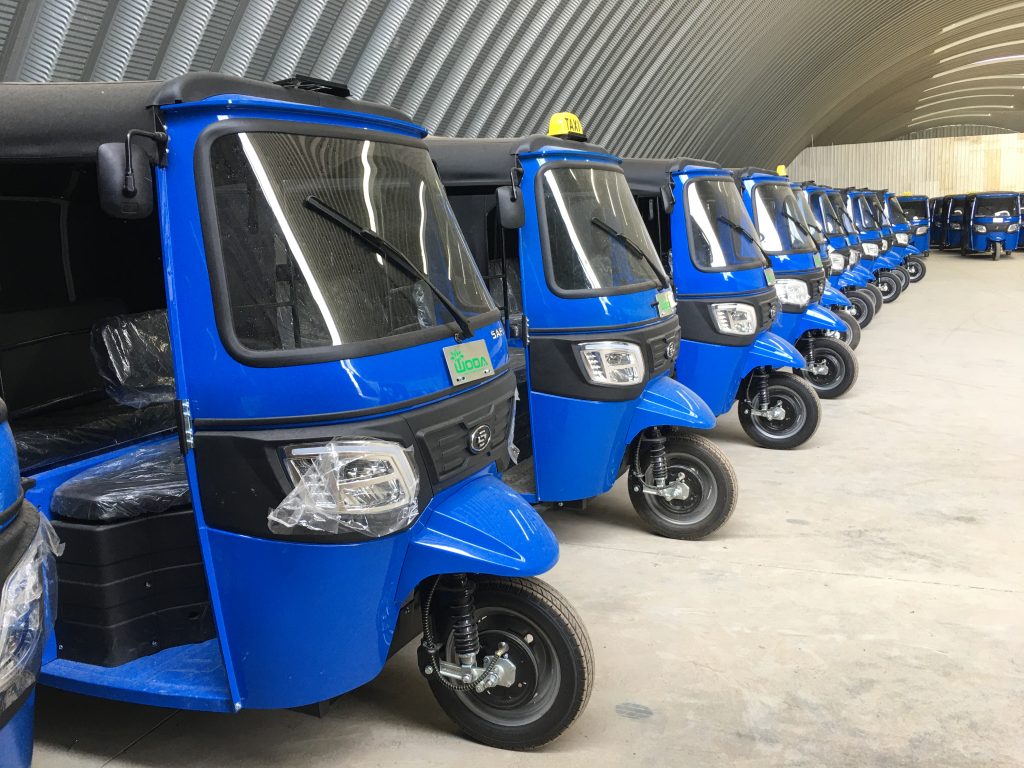
Electric vehicles (EVs) have become a symbol of technological progress and environmental stewardship worldwide. While much of the discussion around EVs has centred on their benefits in developed countries, their potential impact on third-world countries, such as Ethiopia, is profound and multifaceted. In this blog, we will explore how electric vehicles like SAFI-VEHICLES can help Ethiopia in terms of economic.
Ethiopia, like many developing nations, relies heavily on imported fossil fuels to meet its energy needs. The transportation sector is a major consumer of these fuels. By transitioning to electric vehicles, Ethiopia can significantly reduce its dependency on oil imports. This not only helps to stabilize the national economy but also frees up resources that can be redirected to other critical areas such as healthcare, education, and infrastructure development.
The introduction of electric vehicles necessitates the development of new industries and services. From the manufacturing and assembly of EVs to the establishment of charging infrastructure and maintenance services, numerous job opportunities can be created. Additionally, the shift to EVs can drive the need for specialized skills, leading to the establishment of training programs and educational initiatives. This can result in a more skilled workforce, further boosting the economy.
Electric vehicles and renewable energy go hand in hand. Ethiopia has significant potential for renewable energy production, particularly from hydro, solar, and wind sources. By integrating EVs with renewable energy, Ethiopia can create a synergistic effect where the demand for clean electricity drives investments in renewable energy infrastructure. This not only provides a sustainable power source for EVs but also contributes to the overall energy security of the country.
© 2024 Woda Vehicle Manufacturing
